
Workflow Fit & Scope Definition
We map the current process, confirm the trigger, inputs, business rules, owner, destination, and acceptance criteria before the build begins.
We connect the tools your team already uses and turn repetitive operational steps into reliable, human-reviewed workflows. Start with one defined process, launch within a fixed scope, and keep ownership of your accounts, workflow logic, and documentation.
Generic web AI forces staff to manually write prompts and copy data across tabs. We turn your existing operational steps into reliable, connected tools with zero prompt fatigue.
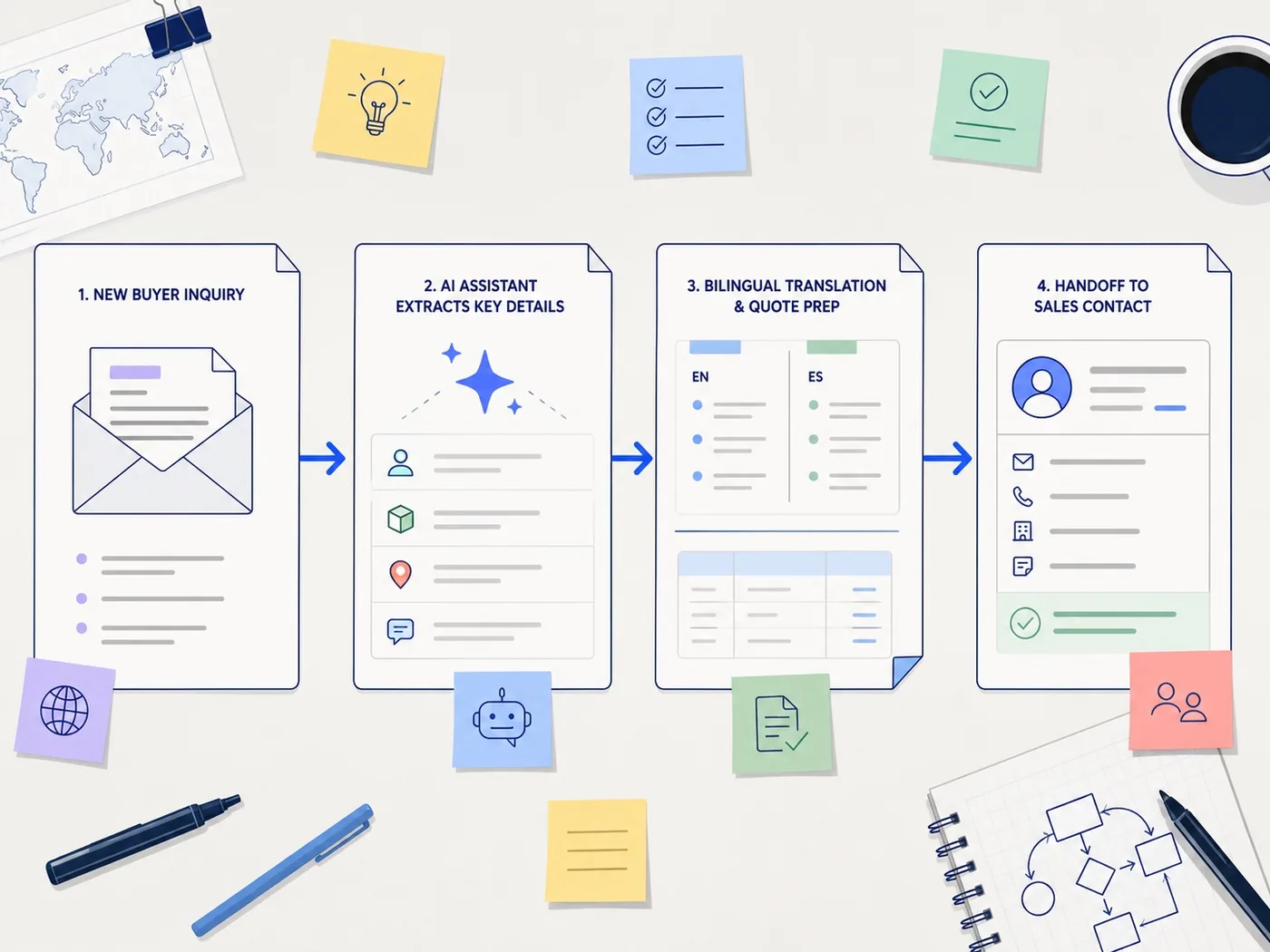
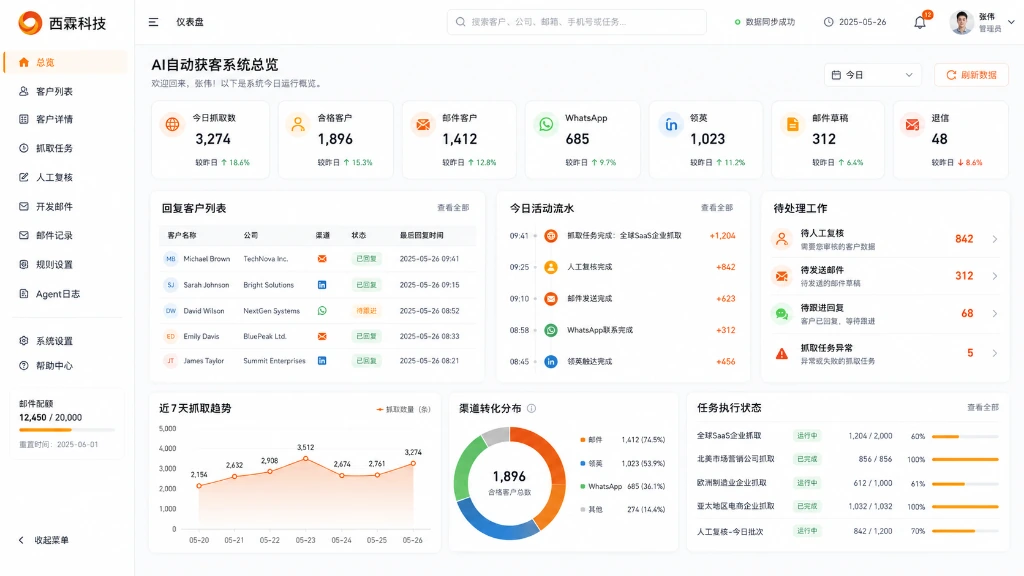
Route incoming enquiries, extract key prospect details, and prepare structured CRM records without manual data entry.
Transform briefs, transcripts, and operational notes into clean summaries, action items, and client-ready formats.
Eliminate data silos between forms, email, calendars, and CRM tools with reliable background synchronization.
Delivered as simple web forms or Slack/Teams notifications. Your team works through familiar interfaces with zero prompt fatigue.
Encode your team’s qualification criteria, handoff rules, and project steps into a permanent, documented system.
Built on commercial API protocols that never train public models. You retain full ownership of accounts, logic, and code.
Brings approved lead sources into one workflow, applies agreed qualification rules, prepares a structured contact record, and sends the result to the responsible team member for review.
We map the current process, confirm the trigger, inputs, business rules, owner, destination, and acceptance criteria before the build begins.
We connect the agreed tools, implement the rules, and test the workflow against 50+ representative historical samples where suitable data is available.
We add 1-click approve or reject controls where needed, then run the workflow with your team using real operating scenarios.
We launch the approved workflow in the agreed environment, document its logic and ownership, and provide a recorded team walkthrough.
Third-party platform and API usage is billed through your own accounts without agency markup. Each sprint defines the workflow, connected systems, review points, support window, and exclusions before work begins.
Turn one clearly defined manual process into a reliable workflow with agreed inputs, outputs, and human review.
Connect a related set of operational steps across your existing tools with shared rules, review points, and monitoring.
Keep an existing workflow monitored, maintained, and improved within a clearly defined monthly support scope.
See which workflows fit a fixed-scope sprint, what your team needs to provide, how operating costs work, and what happens after launch.
You pay approved automation and model providers through your own billing accounts, with zero agency markup. A lightweight workflow may cost roughly $15 to $50 per month for thousands of transactions, but the actual range depends on models, document size, connected tools, and run volume. We estimate operating costs during scoping.
The best fit is a repeated process with a clear trigger, known inputs, agreed business rules, and a named person who can review exceptions. We use a two-layer approach: automated validation first, then 1-click human approval for customer-facing or sensitive actions.
We work through client-owned accounts wherever practical and document the approved providers, credentials, permissions, and data path before launch. Retention and model-training terms depend on the selected provider and account configuration, so they are confirmed in the project scope rather than treated as a blanket promise.
We prioritize common business tools with stable APIs, including Google Workspace, Microsoft 365, HubSpot, Pipedrive, Slack, Teams, Notion, ClickUp, Asana, and supported billing or form platforms. Your connected accounts remain 100% client-controlled. ERP, private RAG, self-hosting, and non-standard systems require a separate technical review.
Every project includes a 14-to-30-day post-launch technical warranty for in-scope defects. The Managed AI Ops retainer adds monitoring, supported API maintenance, and a defined initial response target for issues caused by external system changes.
Share the current trigger, tools, manual steps, and desired result. We will review the fit before recommending a build.